You have done the Mara. Maybe twice. You know a wildebeest crossing when you see one, and you are ready for something the standard circuit does not cover. Northern Kenya, and the Turkana people around Lake Turkana, is that next step for a lot of our repeat guests.
This Turkana tribe cultural visit guide is not another list of facts copied from an encyclopedia page. It covers who the Turkana are, but it also gives you real routes, real costs, and an honest look at what a “cultural visit” actually means on the ground.
Who Are the Turkana?
The Turkana number just over a million people (1,016,174 in the 2019 Kenya census), one of the largest Nilotic communities in Kenya alongside the Kalenjin, Luo, and Maasai. They live mostly in Turkana County in the far northwest. They are Nilotic pastoralists, related linguistically to the Karamojong of Uganda and the Toposa of South Sudan. Their homeland wraps around Lake Turkana, the world’s largest permanent desert lake, and stretches into some of the hottest, driest country in Kenya.
Unlike the Maasai and Samburu, who get far more tourism traffic, the Turkana have stayed largely outside the safari circuit. That is part of the draw. You are seeing a working culture, not a rehearsed performance for tour buses.
Nomadic Life and Livestock
Turkana livelihoods center on livestock. Camels, goats, sheep, and some cattle move with families across the semi-desert in search of grazing and water. Camels matter most here, more than among the Maasai or Samburu, because camels survive the drought cycles that kill cattle.
Homesteads, called awi, are small clusters of domed huts built from palm fronds and hides. Families move several times a year, sometimes covering 50 km or more between wet and dry season grazing grounds. This mobility is exactly why a staged “cultural village” near a tarmac road never quite captures the real thing.
Dress, Beadwork and Body Adornment
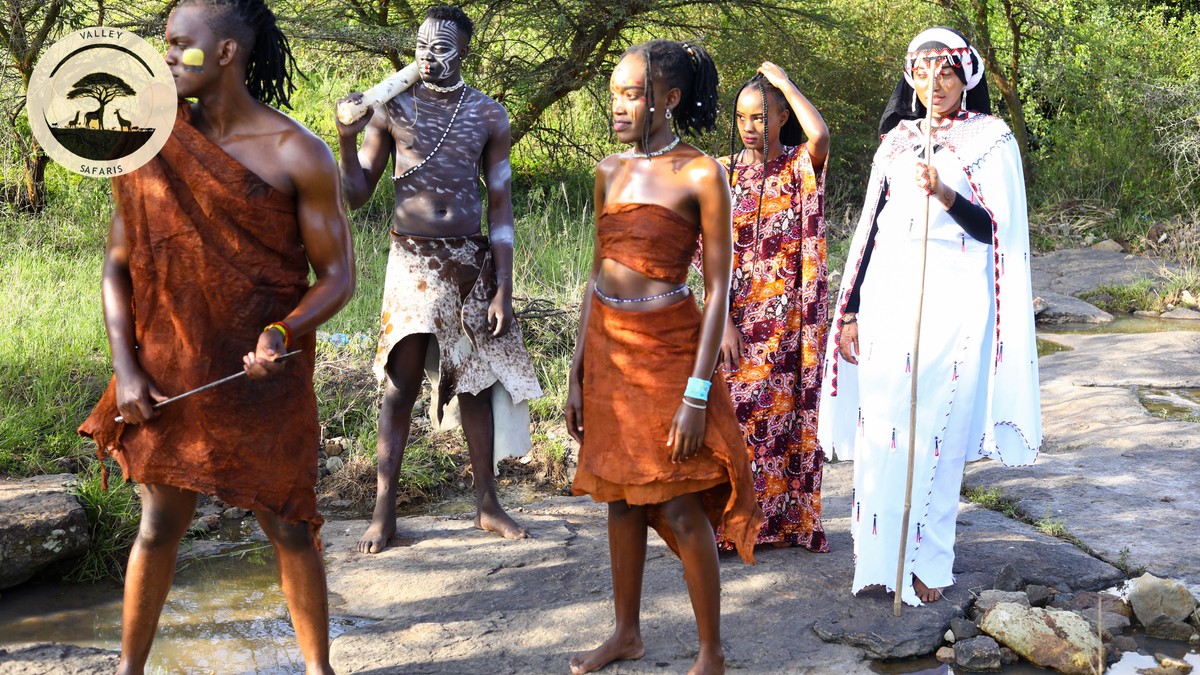
Turkana beadwork is some of the most striking in Kenya. Women wear tiered necklaces stacked from collarbone to chin, often in reds, yellows, and blues, built up over years as gifts from husbands and family. Lip plugs, ear plugs, and scarification also carry meaning tied to age, marriage status, and clan.
Men traditionally carry a wrist knife (abarait) and a carved wooden stool, or ekicholong, that doubles as a headrest and a seat. You will see both used daily in Lodwar’s markets, not just at festivals.
Social Structure, Family and Age-Sets
Turkana society organizes around an age-set system, similar in structure to the Samburu moran system but distinct in practice. Elders hold authority in local councils called adakar. Polygamy is common, and bridewealth is paid in livestock, often dozens of animals for a single marriage, reflecting how central herds are to status.
Religion and Spiritual Beliefs
The Turkana believe in a single god called Akuj, associated with the sky and rain. Akuj is approached through prayer, sacrifice, and the guidance of diviners known as emuron. Rainmaking ceremonies matter enormously in a region where a poor rainy season can mean real hardship for herding families.
Crafts and Craftsmanship
Beyond beadwork, Turkana craftsmanship includes woven doum palm baskets, carved wooden headrests, and metal work, including knives and spears forged by local blacksmiths. Markets in Lodwar and Kalokol sell these pieces directly, often at a fraction of what you would pay in a Nairobi curio shop.
Festivals: Lake Turkana Cultural Festival and Tobong’u Lore
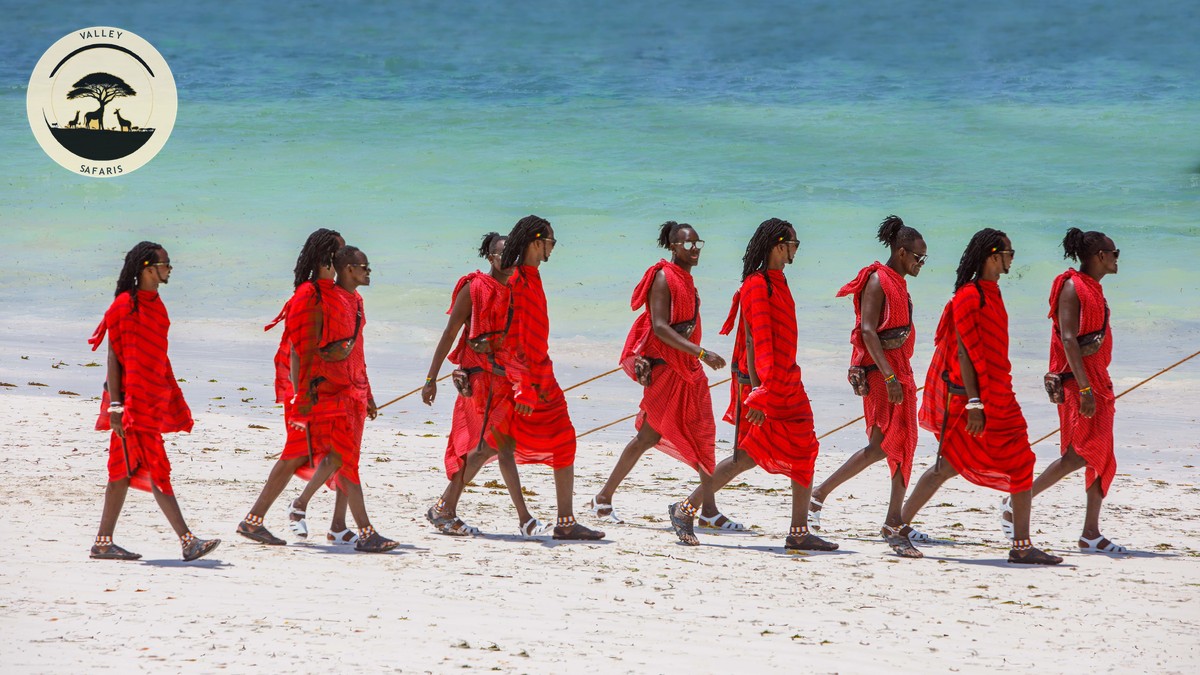
Two events are worth building a trip around. The Lake Turkana Cultural Festival, held in Loiyangalani, brings together the Turkana, Rendille, Samburu, El Molo, Gabra, and other lake-shore communities. Expect several days of dance, song, and craft displays, usually in the cooler months around May or June. Dates shift year to year, so confirm before booking flights. Tobong’u Lore is a smaller, Turkana-specific homecoming festival held in Lodwar, usually in June.
Both are genuine community events, not shows staged for visitors, though tourists are welcome.
Getting to Lodwar and Loiyangalani
This is where most blog posts stop short. Here is what the trip actually costs and takes.
| Route | Distance | Time | Approx. Cost (USD) |
|---|---|---|---|
| Nairobi to Lodwar (flight) | approx. 750 km | 1.5 hrs | USD 180-280 one way, indicative |
| Nairobi to Lodwar (road, 4WD) | approx. 750 km | 10-12 hrs | fuel and vehicle hire vary widely |
| Lodwar to Loiyangalani (4WD) | approx. 220 km | 5-7 hrs on rough track | included in vehicle hire or guided transfer |
| Nairobi to Loiyangalani (charter flight) | approx. 570 km direct | 2-2.5 hrs | USD 250-400 one way, indicative, charter dependent |
Scheduled flights to Lodwar run several times a week on small carriers; charter flights to Loiyangalani’s airstrip are less frequent and usually booked through a tour operator. The road route needs a proper 4WD, extra fuel, and a driver who knows the Kalacha-Loiyangalani track, since it washes out after rain. Before you head into a region this remote, sort out a SIM card that works in rural Kenya, because coverage past Lodwar is patchy at best.
Is It Ethical to Visit the Turkana?
This is worth being honest about. Some “cultural village” stops along the main routes are set up specifically for tour groups, with a fixed entry fee and a short, repeated dance routine. There is nothing wrong with that if you know what you are paying for, but it is not the same as visiting a working homestead.
A genuine encounter usually means going through a local guide with real community relationships. It means visiting during ordinary daily life rather than a performance slot. It also means paying people directly and fairly for their time, crafts, or photographs, rather than a flat gate fee. Ask your operator plainly whether a stop is a staged village or a real homestead visit. If they cannot answer clearly, that tells you something.
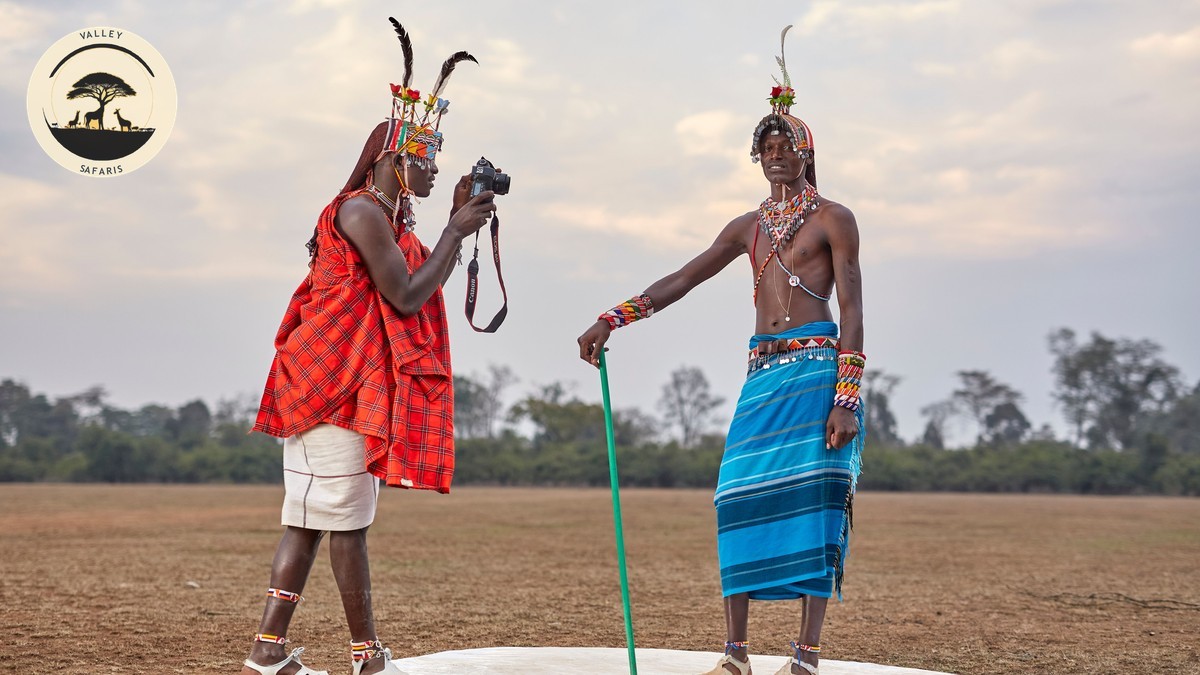
Photography needs consent every time. Many Turkana, especially older adults, expect a small payment for photos, often KES 100-200 per person photographed, though this varies. Ask first, agree on payment before you shoot, and respect a no. This is the same etiquette we cover in our Kenya safari cultural etiquette guide, and it applies here with even more weight, since tourism is newer to this region.
Turkana Tribe Cultural Visit Guide: Sample Itinerary
A realistic trip runs 4 to 5 days from Nairobi:
- Day 1: Fly Nairobi to Lodwar, settle in, visit Lodwar market and meet your ground guide.
- Day 2: Drive or transfer toward Loiyangalani, stopping at Turkana homesteads along the way.
- Day 3: Loiyangalani base, boat trip on Lake Turkana, visit to El Molo village for contrast, evening with Turkana families if arranged in advance.
- Day 4: Optional detour to Nariokotome, west of the lake, site of the 1984 discovery of the Turkana Boy fossil, a 1.6-million-year-old Homo erectus skeleton found by Kamoya Kimeu.
- Day 5: Return flight to Nairobi, or continue overland toward Samburu and Laikipia for a combined northern circuit.
This region pairs naturally with Samburu National Reserve and the Laikipia conservancies, letting you combine wildlife with culture in one northern loop rather than two separate trips. It is also a strong add-on if you have already covered the southern Kenya coast, including the Kaya forests near Kilifi, and want the northern half of the country next.
Before you travel, brush up on common tourist scams in Kenya, since remote routes sometimes attract opportunistic fuel or “guide” charges that a briefed traveler can avoid entirely.
The Valley Safaris Difference
We do not send you to a roadside cultural stop and call it done. Our guides in Turkana County work with specific families and elders we have known for years, so your visit is arranged, not improvised. We tell you upfront which stops are staged and which are genuine homestead visits, and we build in the extra day it takes to reach Loiyangalani properly instead of rushing the drive.
We also plan the logistics that trip up independent travelers here. That means confirming charter flight schedules that change seasonally, carrying enough water and fuel for the Kalacha track, and timing your visit around Tobong’u Lore or the Lake Turkana Cultural Festival if the dates line up.
Planning Your Turkana Trip
A Turkana cultural visit rewards travelers who want to go past the standard parks and see a part of Kenya still largely on its own terms. It takes more planning than a Mara add-on, and it is worth doing properly.
If you are ready to build this into your Kenya itinerary, get in touch through our contact page and we will map out a route from Nairobi to Lodwar, Loiyangalani, and beyond that fits your dates and your budget.